Summer brings joy to hobby gardeners, but it also presents the constant challenge of proper watering. Here are some key tips to help protect your plants during periods of heat and drought.
Watering Tips and Care Advice
Even if it rains, my Polish garden neighbor emphasizes, “Plants need water.” Often, the amount of rain isn’t sufficient. Flowers and lawns should not be watered daily, but rather abundantly.
Vegetable patches are more demanding. On hot days, the soil dries out quickly, causing water to run off instead of seeping in. The golden rule is: it’s better to water correctly once than to water too little multiple times. This encourages deep root growth and enhances drought resistance.
Soil Care and Mulching
My garden neighbor warns against watering in full midday sun or on the leaves, as this can lead to sunburn. Ideally, use rainwater collected in a barrel or cistern, as tap water can often be too cold.
To maintain soil health, a Spanish gardener I observe regularly loosens the soil with a flat hoe. “This saves water because it evaporates more slowly and penetrates the soil better,” she explains.
Mulching Techniques
I proudly share my technique of letting wild grasses grow to provide shade for my plants. This reduces moisture loss from the soil, though the Spanish gardener seems skeptical about my approach.
Challenges and Pleasures of Growing Artichokes and Eggplants
An Italian gardener shares his wisdom on caring for my six artichokes, especially since two are struggling. He explains that almost all artichoke problems relate to water: “Artichokes need a lot of water, but not stagnant water.”
The artichoke, originally from the Mediterranean, produces a stunning purple flower from its bud, which we harvest before flowering. Eating artichokes is a delightful experience, starting with removing the fleshy leaves and enjoying the heart.
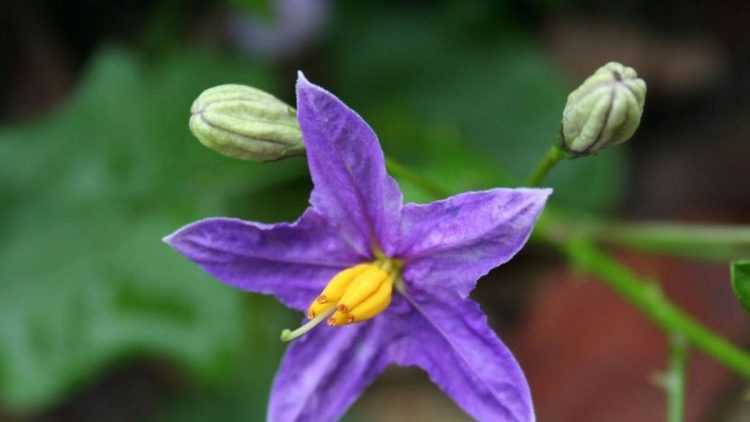
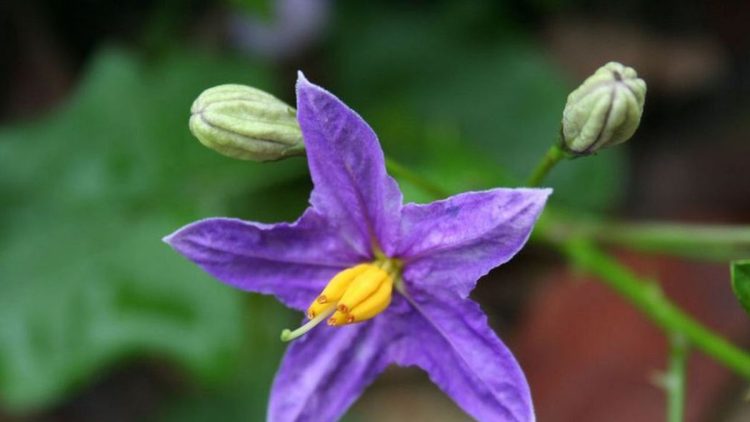
Eggplants are easier to prepare. This fruit, originally cultivated in China and India over 2000 years ago, is closely related to tomatoes and peppers. Eggplant flowers are beautiful but should be treated with caution, as they can be toxic if consumed.
Mediterranean Plants Thriving
Interestingly, most experts on these plants hail from the Mediterranean, as they have been cultivated there for generations. With climate change, these plants may adapt well to our regions, as confirmed by agricultural experts.
Challenges for Native Plants
While Mediterranean plants may thrive, local plants face challenges due to ongoing drought conditions. Observations suggest that regions like the Palatinate are becoming more like Tuscany, but many native plants are struggling to adapt.
By following these garden maintenance tips, you can help your plants survive and thrive during heat and drought conditions!