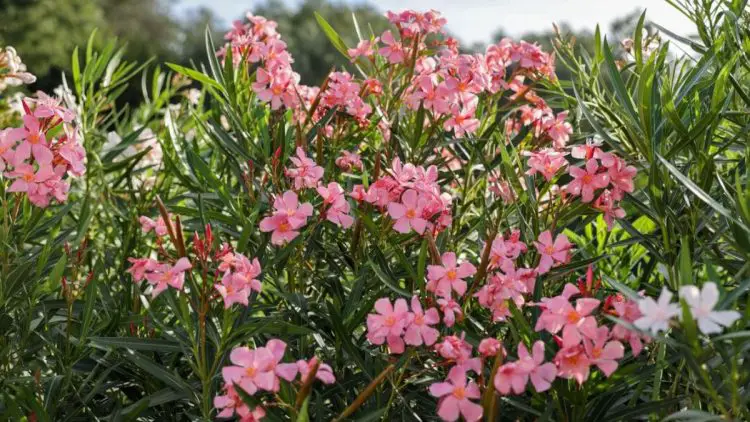
With simple remedies that almost everyone has at home, you can make your oleander bloom beautifully.
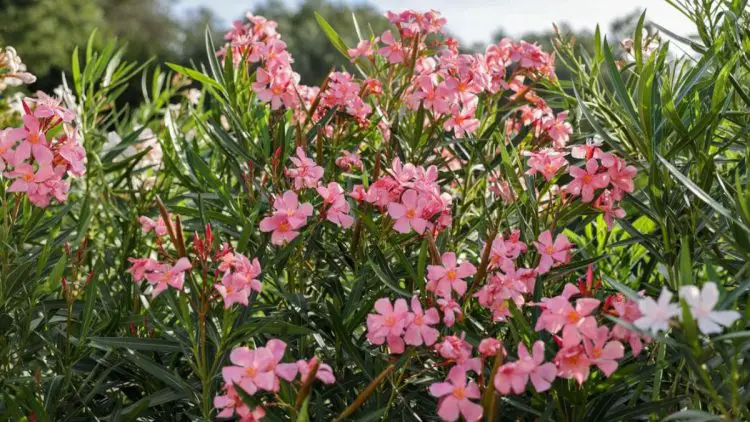
Oleanders are known for their abundant flowers, especially in the Mediterranean region, and are popular in gardens. However, they will only bloom if they are healthy and have received proper care over time. What can you do to ensure that your oleander flowers fully? Here’s what to know.
Oleander Does Not Bloom: What Could Be the Reason?
Nerium Oleander, the scientific name for oleander, requires plenty of sun, water, and nutrients. If your oleander isn’t blooming, or if buds appear without flowering in spring, this could be due to poor location, inadequate maintenance, or pest infestations. Proper care and fertilizers in the form of home remedies can help your oleander thrive.
Beware of Heat and Alcohol:
Poor wintering can also lead to non-blooming oleanders in summer. Damage from improper winter placement can often be irreversible, so patience may be required until the next growing season.
Make Oleander Bloom with Home Remedies
Using mineral and organic fertilizers can help prevent nutrient deficiencies and pest issues that inhibit blooming. Instead of harmful synthetic fertilizers, consider using common kitchen waste as a natural fertilizer. If pests are already affecting your plant, here are some effective home remedies:
- Coffee Grounds or Black Tea:
These contain essential minerals for growth. - Soap-Water and Rapeseed Oil Solution:
This mix can help combat parasites.
Essential Care Tips for Blooming Oleanders
- Fertilization:
Fertilize oleanders once a week during spring and summer. - Watering:
Use hard tap water instead of rainwater. - Pruning:
Be cautious when pruning; excessive cutting can hinder flowering. Remove faded leaves by hand and avoid cutting old inflorescences.
Caution: All parts of the oleander plant are highly toxic; wear gloves when handling.
1. Make Oleanders Bloom with Coffee Grounds or Tea
Coffee grounds are rich in potassium, phosphorus, and nitrogen, crucial for oleander growth. Here’s how to use them: Collect leftover grounds, spread them on a cloth to dry, then mix them into the root zone or dissolve in watering can.
2. Black Tea Powder
Black tea also contains beneficial minerals for oleanders. Just remember not to overdo it, as coffee and tea can slightly acidify the soil; a weekly addition is sufficient.
3. Fertilize Oleander with Eggshells
Eggshells provide calcium, which oleanders appreciate. Crush the shells and mix them into the soil, then water with tap water.
How to Get Rid of Pests in Oleander
Pests can prevent blooming by damaging buds. Aphids and mites are common culprits. Regularly inspect your plant for these visible pests. Here are some remedies:
- Soapy Cloth: Wipe off aphids with a cloth soaked in soapy water.
- Soap and Water Spray: For severe infestations, spray the plant with a soap-water mix to dissolve pests.
You can also create a spray using water and rapeseed oil or neem oil to deter pests. For prevention, spray the undersides of leaves.
Proper Care of Oleander Is Essential
A beautifully flowering oleander can enhance any garden or balcony, typically blooming from June to mid-September. To encourage regular blooming, consider these care tips:
- Good Location:
Oleander thrives in sun and warmth, ideally against a house wall. Protect double-flowered varieties from rain. - Proper Care:
Oleanders need plenty of water, but avoid cold water and stagnant moisture. Begin fertilizing in March and stop by the end of August. - Wintering:
Prepare oleanders for winter as they are not frost-resistant. Store them in a bright, well-ventilated spot indoors, ideally between 2-10 degrees Celsius.
By following these tips, your oleander can flourish and produce stunning blooms all summer long!