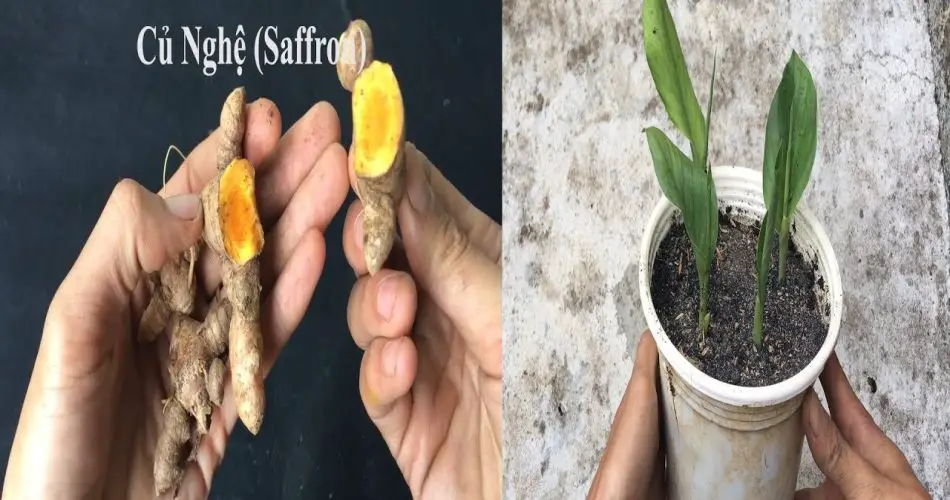
Cultivating Green Goodness: A Guide to Growing Vegetables at Home
In recent times, the trend of growing vegetables at home has gained momentum, and for good reason. Not only does it ensure a fresh and sustainable supply of produce, but it also provides a rewarding and therapeutic experience. Whether you have a spacious backyard or just a sunny windowsill, here’s a brief guide to help you embark on your journey of growing vegetables at home.
1. Selecting the Right Location:
Before you start planting, choose a location that receives ample sunlight. Most vegetables thrive in full sunlight, so pick a spot that gets at least 6-8 hours of direct sunlight daily.
2. Container Gardening:
Don’t have a backyard? No worries! Many vegetables can be grown in containers. Use pots, hanging baskets, or window boxes to create a mobile garden on your balcony or windowsill.
3. Choosing the Right Vegetables:
Opt for vegetables that suit your climate and available space. Beginners might find success with easy-to-grow options like tomatoes, peppers, herbs, and leafy greens such as spinach or lettuce.
4. Quality Soil Matters:
Invest in good-quality potting mix or garden soil for your vegetables. Well-draining soil with added organic matter ensures proper aeration and nutrient availability for your plants.
5. Watering Wisely:
Consistent and adequate watering is crucial for healthy vegetable growth. Ensure that the soil remains evenly moist but not waterlogged. Use a watering can or hose with a gentle spray to avoid disturbing the soil.
6. Fertilize as Needed:
Vegetables, like any plants, benefit from nutrients. Consider using organic fertilizers or compost to enrich the soil. Follow recommended guidelines for each vegetable type.
7. Protect from Pests:
Keep an eye out for common pests in your area, such as aphids or caterpillars. Use natural remedies like neem oil or introduce companion plants that deter pests.
8. Harvest at the Right Time:
Pay attention to the recommended harvest time for each vegetable. Harvesting too early or too late can affect flavor and nutritional content.
9. Rotate Crops:
If you have a larger garden space, practice crop rotation to prevent soil-borne diseases and maintain soil fertility. Avoid planting the same type of vegetable in the same spot every season.
10. Enjoy the Process:
Growing vegetables at home is not just about the end result; it’s a journey. Take time to observe the growth, learn from any challenges, and relish the joy of harvesting your own fresh produce.
Whether you’re a seasoned gardener or a novice with a green thumb in the making, growing vegetables at home is a fulfilling endeavor. It connects you with the food you consume, promotes sustainability, and brings the joy of nurturing life into your living space. So, roll up your sleeves, grab your gardening tools, and let the homegrown goodness begin!


