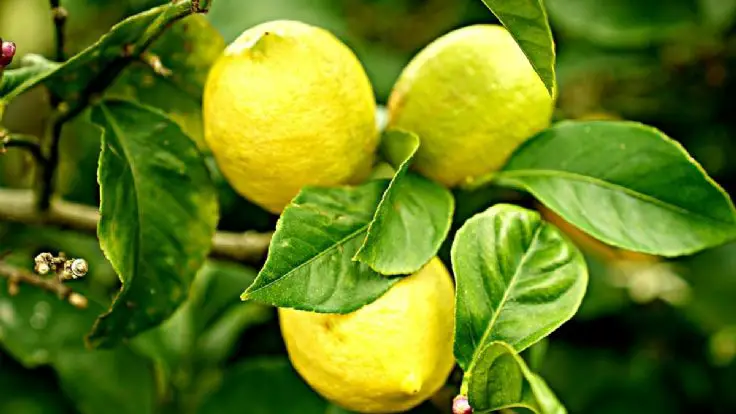
Harvesting lemons properly is crucial to ensuring your lemon tree continues to produce fruit abundantly. Here’s a simple guide to help you cut lemons the right way and keep your tree healthy and productive.
When to Harvest Lemons
- Check for Ripeness: Lemons are ready to harvest when they are fully yellow. Some varieties might have a slight green tint but will still be ripe.
- Feel the Texture: Ripe lemons will feel slightly soft to the touch but not mushy.
- Time of Year: Lemon trees can produce fruit year-round, but the main harvest season is typically winter to early spring.
Tools You’ll Need
- Sharp Pruning Shears or Scissors: To make clean cuts without damaging the tree.
- Gloves: To protect your hands from thorns and rough branches.
- Basket or Container: To collect the harvested lemons.
Steps to Cut Lemons Properly
- Select the Right Lemons: Choose lemons that are fully yellow and slightly soft. Avoid pulling on the lemons as this can damage the branches and affect future fruit production.
- Prepare Your Tools: Ensure your pruning shears or scissors are clean and sharp to make clean cuts. This prevents damage to the tree and reduces the risk of disease.
- Locate the Stem: Find the point where the lemon stem attaches to the branch. This is where you’ll make your cut.
- Make a Clean Cut: Position your shears or scissors about 1/4 inch above the stem and make a clean cut. Avoid tearing or twisting the fruit off, as this can harm the branch.
- Collect the Lemons: Place the harvested lemons in a basket or container. Handle them gently to avoid bruising.
After Harvesting Care
- Inspect the Tree: After harvesting, inspect your lemon tree for any signs of disease or pests. Early detection can help keep your tree healthy.
- Prune Dead or Damaged Branches: Remove any dead or damaged branches to promote healthy growth. Pruning should be done with clean, sharp tools to make clean cuts.
- Water and Fertilize: Ensure your lemon tree is well-watered, especially during dry periods. Regular fertilization helps replenish nutrients and promotes continuous fruiting.
- Mulching: Apply a layer of mulch around the base of the tree to retain moisture and regulate soil temperature.
Tips for Continuous Fruit Production
- Regular Pruning: Prune your lemon tree regularly to maintain its shape and remove any dead or diseased branches. This encourages new growth and improves air circulation.
- Balanced Fertilization: Use a balanced fertilizer designed for citrus trees. Follow the manufacturer’s instructions for application rates and schedules.
- Pest Control: Keep an eye out for common pests like aphids, scale, and spider mites. Use appropriate organic or chemical controls if needed.
- Consistent Watering: Ensure your lemon tree receives consistent watering, especially during dry spells. Avoid overwatering, as this can lead to root rot.
Summary
Properly cutting lemons from your lemon tree is essential for ensuring it continues to produce fruit. Harvest lemons when they are fully yellow and slightly soft, use sharp tools to make clean cuts, and handle the tree with care. Post-harvest, regular pruning, balanced fertilization, and consistent watering will keep your lemon tree healthy and productive. Follow these steps, and you’ll enjoy a bountiful harvest of delicious lemons year after year.
Show Comments


