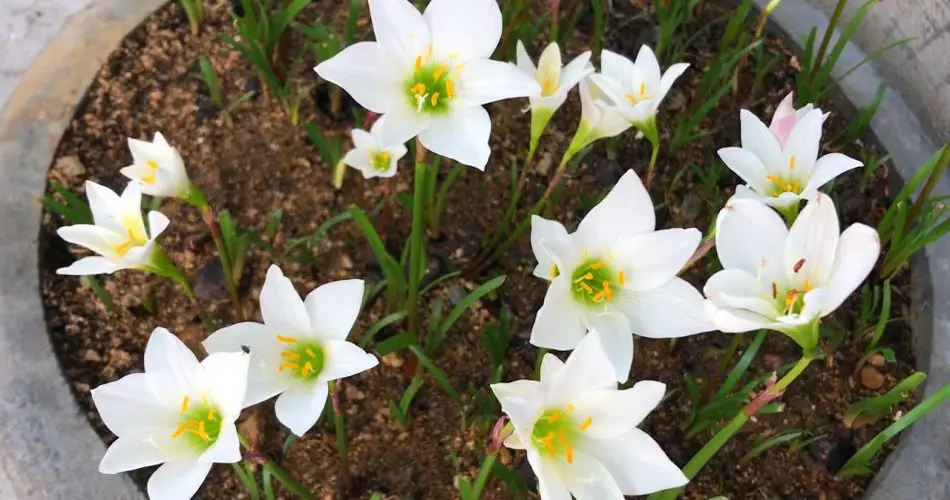
Blooms Amidst the Rain: A Guide to Growing Rain Lily Flowers from Bulbs
The Rain Lily, a petite and enchanting flower, brings bursts of color and joy to gardens after rainfall, earning its name from its tendency to bloom soon after showers. If you’re looking to cultivate these delightful flowers and add a touch of ephemeral beauty to your garden, this guide will walk you through the simple and rewarding process of growing Rain Lily flowers from bulbs.
Understanding Rain Lily Bulbs:
Rain Lily bulbs, also known as Zephyranthes bulbs, are the key to cultivating these charming flowers. These bulbs store the energy required for the plant to sprout and produce blossoms, making them a convenient and reliable method for growing Rain Lilies.
Steps to Grow Rain Lily Flowers with Bulbs:
- Selecting the Right Bulbs: Choose high-quality Rain Lily bulbs from reputable suppliers or garden centers. Look for bulbs that are firm, plump, and free from signs of damage or decay.
- Choosing the Planting Location: Rain Lilies thrive in well-draining soil and prefer a sunny to partly shaded location. Select an area in your garden that receives at least 4-6 hours of sunlight per day.
- Planting Time: The best time to plant Rain Lily bulbs is in the spring or early summer. These flowers are hardy and can adapt to various climates, but planting them during the warmer months enhances their chances of successful establishment.
- Preparing the Soil: Ensure the soil is well-draining by adding organic matter such as compost or well-rotted manure. Rain Lilies prefer slightly acidic to neutral soil conditions.
- Planting Depth: Plant the bulbs about 2 to 3 inches deep in the soil. Space them approximately 4 to 6 inches apart to allow for proper growth and air circulation.
- Watering: Water the newly planted Rain Lily bulbs thoroughly to help initiate growth. Keep the soil consistently moist but not waterlogged. Rain Lilies are relatively drought-tolerant once established.
- Fertilization: Apply a balanced, all-purpose fertilizer during the growing season to provide essential nutrients. Follow the recommended application rates on the fertilizer packaging.
- Maintenance: Rain Lilies are relatively low-maintenance. Remove spent flowers to encourage continuous blooming and trim back the foliage after it has died back naturally.
Enjoying the Blooms:
- Blooming Period: Rain Lilies typically bloom within a few weeks to a month after planting. The blooms last for a few days, but the plant may produce multiple flowers throughout the growing season.
- Variety of Colors: Rain Lilies come in various colors, including shades of pink, white, yellow, and lavender. Enjoy the diversity of hues as your Rain Lilies grace your garden with their ephemeral beauty.
- Container Gardening: If you lack garden space, Rain Lilies can be grown successfully in containers. Ensure the containers have drainage holes, and follow the same planting guidelines.
Growing Rain Lily flowers from bulbs is a rewarding and straightforward process that brings a touch of whimsical beauty to your garden. With their vibrant colors and charming blooms, Rain Lilies add a delightful dimension to outdoor spaces. Follow these simple steps, and soon you’ll be enjoying the magical presence of Rain Lily flowers, welcoming their bursts of color amidst the rain.


