Transplanting Cacti with Artistry: Grafting Cactus into Epiphyllum Plants
Transplanting cacti is a delicate yet rewarding task, allowing enthusiasts to create unique combinations and showcase the resilience of these desert-adapted plants. In this guide, we’ll explore the art of transplanting cacti and delve into the intriguing process of grafting cactus onto Epiphyllum plants, creating a captivating fusion of desert and jungle flora.
Transplanting Cacti: A Careful Process
- Selecting the Right Time: Choose a time when the cactus is in its active growing phase for transplanting. Spring and early summer are generally ideal, providing optimal conditions for the plant to acclimate to its new environment.
- Choosing a Suitable Container: Cacti thrive in containers with good drainage. Select a pot that allows excess water to escape easily. Terra cotta pots are often preferred for their porous nature, promoting aeration and preventing waterlogged conditions.
- Preparing the Potting Mix: Use a well-draining cactus or succulent potting mix. You can enhance the mix with perlite or coarse sand to improve drainage. Ensure the mix is slightly moist before transplanting to minimize stress on the cactus.
- Handling with Care: Cacti are sensitive to root disturbance, so handle them with care during transplanting. Use thick gloves or newspaper to protect your hands, and gently lift the cactus from its current container, preserving the root system.
- Inspecting the Roots: Examine the roots for any signs of rot or damage. Trim away any unhealthy roots with clean, sharp scissors or pruning shears. A healthy root system is crucial for the cactus’s successful transition.
- Positioning in the New Container: Place the cactus in the center of the new container, adjusting the level of the soil to match the previous depth. Fill the remaining space with the prepared potting mix, pressing it down gently to secure the cactus.
- Watering After Transplanting: Water the transplanted cactus sparingly after the process. Allow the soil to dry out slightly between waterings to prevent overwatering, a common issue with cacti.
- Acclimating to New Conditions: Gradually introduce the cactus to its new growing conditions by placing it in a location with filtered sunlight. Avoid direct sunlight initially, giving the plant time to acclimate.
Grafting Cactus into Epiphyllum Plants: A Fusion of Flora
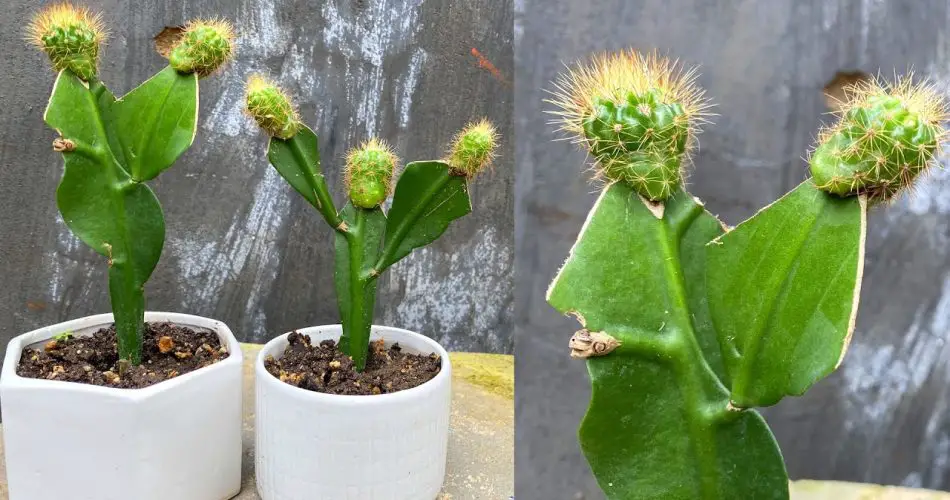
- Understanding Grafting: Grafting involves combining tissues from two different plants, creating a union that allows them to grow as one. Grafting cactus onto Epiphyllum, commonly known as the Orchid Cactus, creates a fascinating blend of desert and jungle characteristics.
- Selecting Compatible Plants: Ensure that the cactus and Epiphyllum are compatible for grafting. Choose healthy and disease-free specimens for the best chances of successful grafting.
- Grafting Techniques: Grafting cactus onto Epiphyllum can be achieved using various techniques, such as the cleft graft or whip-and-tongue graft. Select a method that suits your comfort level and the specific characteristics of the plants involved.
- Caring for Grafted Plants: After successful grafting, care for the combined plant by providing optimal growing conditions. This includes well-draining soil, filtered sunlight, and regular monitoring for any signs of stress or incompatibility.
- Monitoring Growth and Development: Observe the grafted cactus and Epiphyllum for signs of growth and compatibility. Once the graft has taken successfully, the plants will grow together, creating a unique and visually stunning specimen.
Transplanting cacti is an art that requires attention to detail and sensitivity to the needs of these unique plants. Grafting cactus onto Epiphyllum adds an extra layer of creativity to the process, producing a living masterpiece that showcases the diverse beauty of desert and jungle flora. As you embark on the journey of transplanting and grafting, you’ll not only nurture the individual plants but also witness the harmonious collaboration between different botanical worlds in your own green sanctuary.