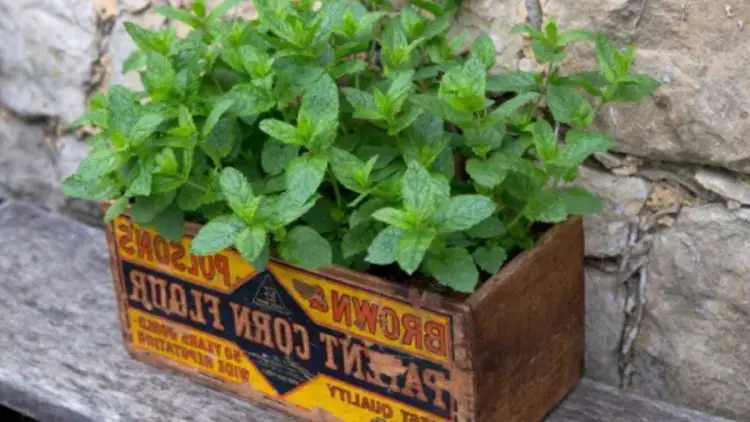
Did you know that mint is not just one plant but an entire genus of aromatic plants? The genus Mentha offers a variety of exciting flavors and aromas, from lime to chocolate. The peppermint we know and love plays a vital role in medicine, cooking, mixology, and aromatherapy. It’s easy to grow, whether in planters or in the garden. So, is April a good month to plant it? Here’s what you need to know!
Benefits of Planting Mint
Mint is one of my favorite herbs, used in countless ways—from fresh salads and sauces to sorbets, smoothies, and cocktails. Its delightful aroma even helps keep mosquitoes at bay! Despite its versatility, many think mint is difficult to grow, but that’s not the case.
Growing Mint: Key Points
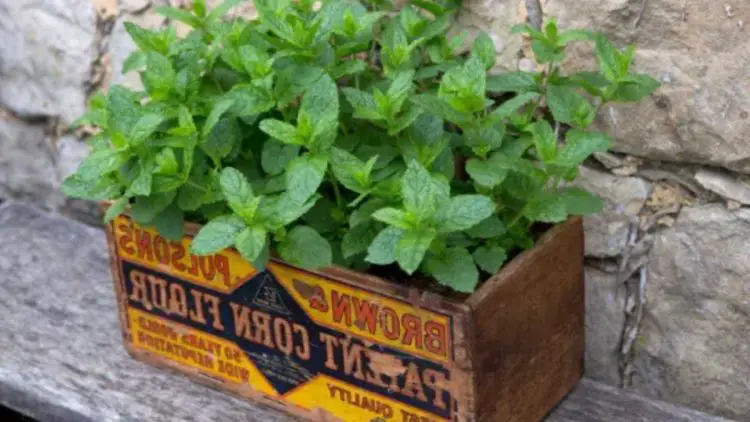
Mint is not a fussy plant. This aromatic perennial thrives in most soil types and tolerates both full sun and partial shade. However, as it can grow up to 1 meter in height and width, provide adequate space between plants. For container growth, choose large pots (60 cm in diameter or more) with proper drainage—plastic, metal, or ceramic work well.
When to Plant Mint
Spring is the ideal season for planting mint, with March, April, and May being the best months. You can also grow it in pots indoors year-round. Ensure that the frost has passed before planting in the garden. Mint flowers attract pollinating insects, and you can enjoy harvesting its young leaves all summer and into autumn.
Seeds vs. Young Plants
Growing mint from seeds is generally not recommended due to low germination rates. Instead, you can easily take cuttings or purchase young plants from a nursery. Mint rhizomes root easily, ensuring a vigorous plant in no time.
How to Plant Mint
Use compost-enriched garden soil, seedling compost, or an all-purpose mix for planting. Mint dislikes soggy soil, so ensure good drainage. Dig a hole larger than the root ball, place the plant inside, and gently pack the soil around it.
Care and Watering
Mint requires minimal maintenance. Trim branches and leaves occasionally to promote bushy growth and prune after flowering. Water more frequently during hot, dry weather, especially for potted mint, which can dry out quickly. Check the soil regularly and water as needed.
By following these guidelines, you’ll enjoy a thriving mint plant ready to enhance your culinary creations!


