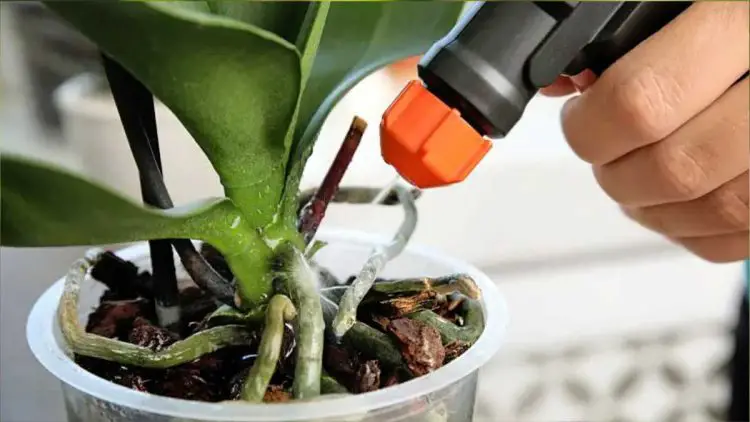
Orchids are unique plants that typically do not grow in soil, leading to questions about the effectiveness of using various household products like coffee, milk, or banana peels as fertilizers. Experts recommend a natural fertilizer based on water, free from solids, and well-fermented for optimal nutrient absorption. It’s important to note that using coffee or eggshells in your orchid pot is a myth; these nutrients cannot be effectively absorbed by orchids. Instead, a yeast-based fertilizer is much more effective, as yeast contains essential B vitamins that promote robust root growth, making plants stronger and easier to transplant.
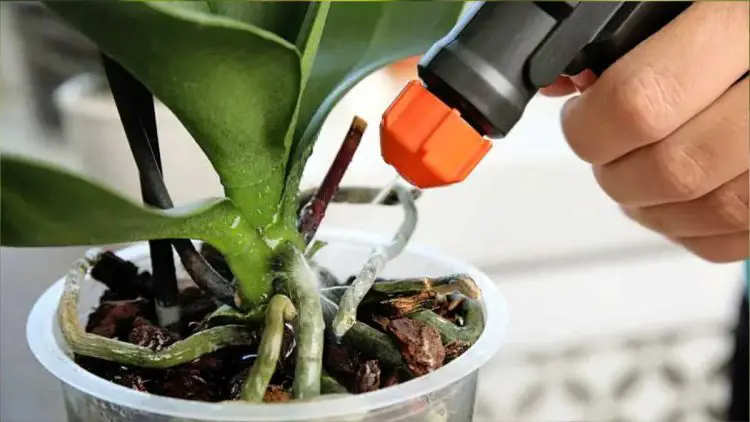
What is a Good Natural Fertilizer for Orchids?
Natural fertilization involves more than simply pouring organic substances into the soil. It requires a healthy ecosystem with microorganisms, appropriate temperature, humidity, and time for breaking down larger nutrient molecules into smaller ones that the plant roots can absorb. The key to organic fertilization is to feed the soil, not the plants directly. However, since orchids are typically grown indoors and not in soil, the approach to fertilizing epiphytic orchids must focus on immediate nutrient release rather than soil feeding.
Yeast Orchid Fertilizer Recipe
For effective indoor orchid fertilization, the fertilizer should be water-based for quick nutrient release. Here’s how to prepare the yeast fertilizer:
- Dilute 1 kilogram of yeast in 5 liters of water.
- Before use, dilute this solution in a ratio of 1:10 with water.
If you have dry yeast instead of regular yeast:
- Use 10 grams per 10 liters of hot water.
- Add two tablespoons of sugar.
- Let the mixture sit for a few hours.
This solution can be used for watering flower beds, vegetables, fruit trees, berry bushes, and, of course, orchids.
Myths About Natural Fertilizers for Orchids
While using natural fertilizers is beneficial, many people oversimplify the process. Here are some common myths and their issues regarding orchid care:
- Coffee: The idea that coffee can fertilize orchids is misleading. While it works for soil-based garden plants, it can clog the moss medium in indoor orchids, reducing airflow to the roots and increasing the risk of root rot. Furthermore, coffee grounds take time to break down, and there may not be enough microorganisms around the orchid roots to do so effectively. Coffee grounds can also attract fungus gnats and other pests.
- Eggshells: Recommendations often suggest boiling and grinding eggshells for application on orchid leaves or substrate. However, eggshell powder can also clog the orchid medium, impeding airflow. Additionally, applying eggshells to leaves is ineffective since the protein molecules are too large to pass through leaf pores.
Be cautious of these myths to ensure your orchids thrive!