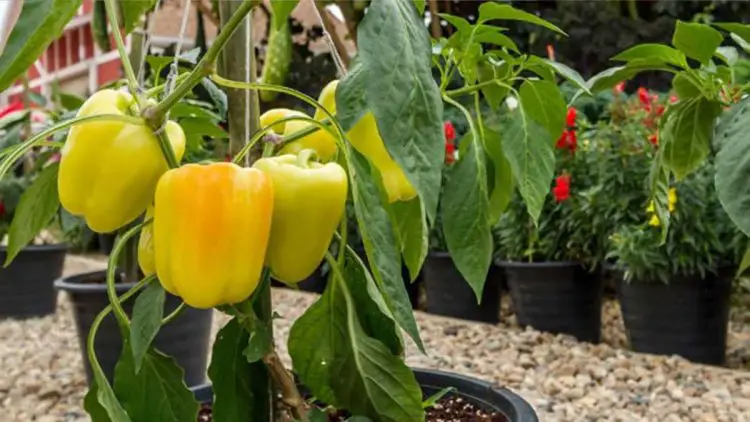
Growing your own peppers can be a rewarding and enjoyable experience. With a few simple tips, you can successfully cultivate these vibrant vegetables in your garden or on your balcony. Here’s a straightforward guide to help you get started with planting peppers and ensure a bountiful harvest.
Starting Pepper Seeds Indoors
For those looking to grow peppers from seed, you can start as early as March. Sow the seeds about one centimeter deep in a planter filled with unfertilized soil. Keep the soil slightly moist and cover the tray with plastic wrap or a glass lid to maintain warmth. Ideally, seeds will germinate within a week at temperatures of 23-25°C.
As the seedlings grow to about five centimeters high, it’s time to prick them out and transplant them into individual pots. Handle the roots gently to avoid damage during this process.
Planting Peppers Outdoors
If you prefer not to grow peppers from seed, you can purchase young pepper plants from a nursery or garden center. Plan to plant them outdoors from mid-May to early June once the risk of night frosts has passed. Peppers are sensitive to cold and can halt their growth if exposed to frost.
Choosing the Right Location
Peppers thrive in rich, well-drained soil. When planting, enrich the soil with compost to provide ample nutrients, reducing the need for additional fertilizers initially. Ensure that there is about fifty centimeters between each plant to allow for proper growth. For larger varieties, you might need to space them even further apart due to their extensive root systems.
Peppers have similar needs to tomatoes, eggplants, and cucumbers, so you can plant them in the same area. However, peppers prefer a warm, sunny spot with plenty of heat.
Growing Peppers on the Balcony
Peppers can also be grown in pots on a sunny balcony, ideally one that faces south. Position the pots near the house’s wall to benefit from extra warmth. Make sure the location is sheltered from wind to protect your plants.
Watering and Care
Peppers require a substantial amount of water, especially during hot weather. Water them frequently but in moderate amounts to prevent waterlogging. Early morning or evening watering is best, avoiding direct sunlight. Adding a layer of grass mulch or straw around the plants can help retain soil moisture.
To enhance fruit production, consider removing the first flower (also known as the royal flower) that appears between the main stem and the first side branch. This encourages the plant to focus its energy on producing more shoots and a higher fruit yield.
Harvesting Peppers
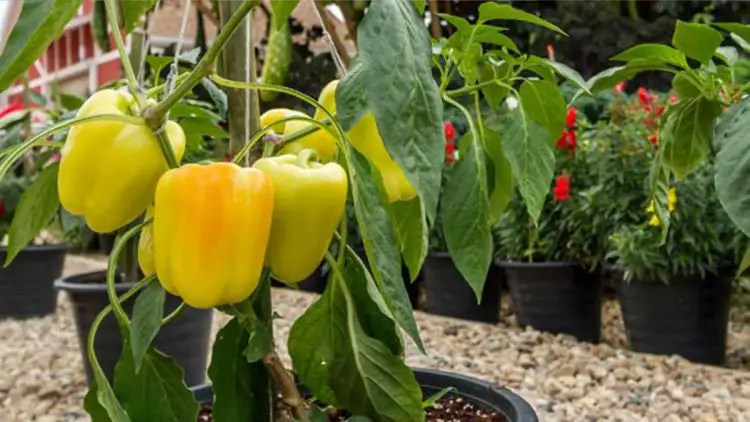
Peppers generally mature from late summer into autumn, changing color from green to yellow and eventually to red. Red peppers are the sweetest. Harvest peppers by cutting them with scissors or a sharp knife to avoid damaging the plant.
Protecting Peppers from Pests
Watch out for common pests such as spider mites and slugs. Prevent spider mite infestations by spraying the plants with distilled water in the evening. If mildew appears, which manifests as a gray film, remove and destroy the affected plants to prevent spreading. Regularly inspect for slugs and remove them as needed.
Overwintering Peppers
Since peppers are not cold-hardy, they cannot be left outside during winter. Before bringing them indoors, check for pests and place them in a bright room with a temperature around 10°C. Protect the plants from drafts and avoid overwatering. To counteract dry air from radiators, mist the plants regularly with water, and refrain from fertilizing during winter.
Conclusion
With these straightforward tips, growing peppers can be a manageable and gratifying endeavor. Whether you’re starting from seeds or using young plants, following these guidelines will help you cultivate healthy, productive pepper plants in your garden or on your balcony. Enjoy the process and the rewards of your homegrown peppers!


