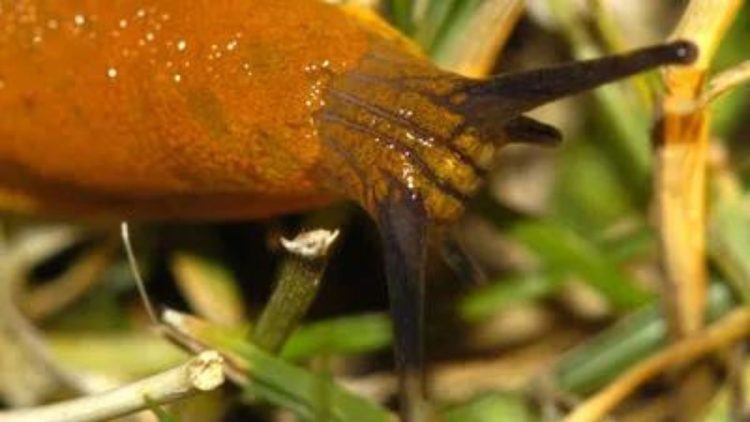
Snails are among the most dreaded pests for gardeners. Fortunately, there are home remedies to deter these critters from your vegetables.
The Impact of Snails on Your Garden
Holes in the lettuce? Gnawed leaves? These are common signs that snails have invaded. Once these slimy mollusks discover your delicious vegetables, swift action is needed to protect your plants. Understanding what attracts them can help you devise an effective strategy.
Where Do Snails Come From?
A high number of snails often indicates an imbalance in your garden. This could be due to a lack of predators like hedgehogs, toads, or slow worms. Monocultures also attract snails, especially if your plants are among their favorite foods.
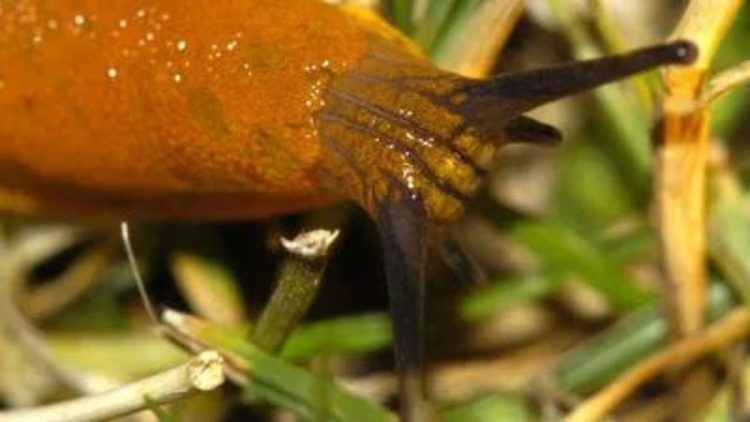
Interestingly, it’s mostly naked snails that cause damage to plants, while only a few shell snails do. The large vine snail can even help by eating slug eggs, preventing their population from exploding.
When Do Snails Appear?
Some snails die after laying eggs, while others hibernate. As temperatures rise in spring, they awaken and search for food. During this time, many vegetables and flowers are replanted, creating a feast for slugs. Be aware that while they prefer certain plants, they may also attack less favored ones, particularly if they are young.
What to Do About Slugs in Your Garden
Implementing a mixed culture strategy can be helpful. Place plants that slugs enjoy near those they tend to avoid. Here are some favorites:
Vegetables: beans, Chinese cabbage, strawberries, lettuce, kohlrabi, squash, peppers, celery, zucchini, and white cabbage.
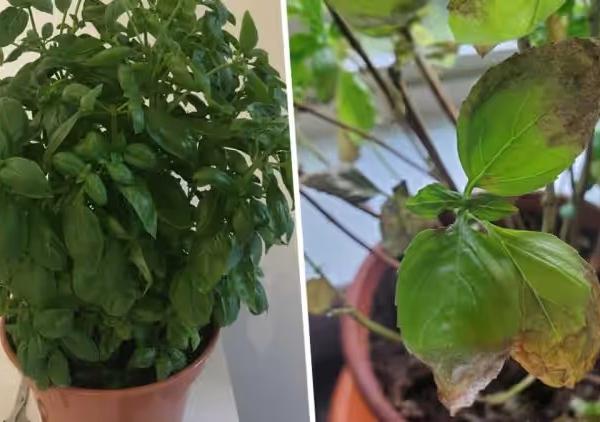
Aromatic herbs: basil, dill, watercress, milk thistle, parsley, and mustard.
Flowers: asters, petunias, dahlias, funkias, delphiniums, heliotropes, sunflowers, tagetes, and zinnias.
Conversely, slugs typically dislike:
Vegetables: endive, fennel, lamb’s lettuce, garlic, leek, chard, beetroot, red salad, radicchio, and sugar loaf.
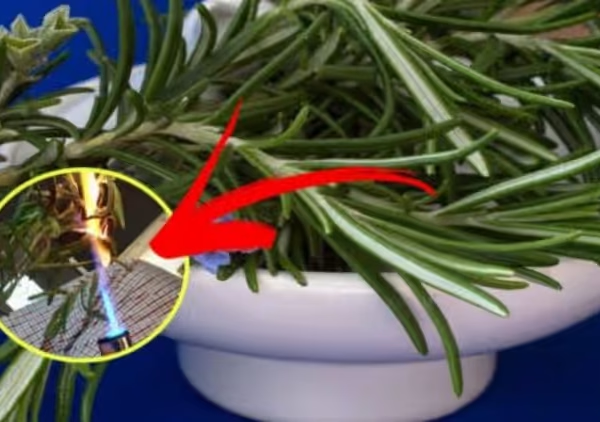
Aromatic herbs: mugwort, savory, borage, ivy, lavender, oregano, peppermint, rosemary, sage, and wormwood.
Flowers: lady’s mantle, mullein, California poppy, cornflower, lily of the valley, mallow, peony, marigold, yarrow, and primrose.
While many shell snails help by consuming dead plants and animals, they can also be beneficial for garden health.
Effective Home Remedies Against Slugs
One of the most well-known methods is the beer trap: pour beer into a container where snails will drown. Salt can also be used to dry them out, while baking soda can swell in their stomachs, causing death. However, these methods are quite harsh and should be avoided.
Instead, consider less cruel options like a slug fence around vulnerable plants. Copper tape or special gels can deter slugs, as they dislike crawling over them. Absorbent materials such as sawdust or lime can also be effective barriers.
By implementing these strategies, you can protect your vegetable garden from unwanted snail visitors!