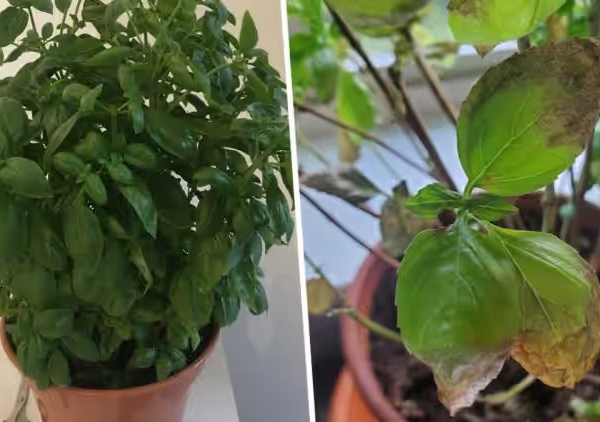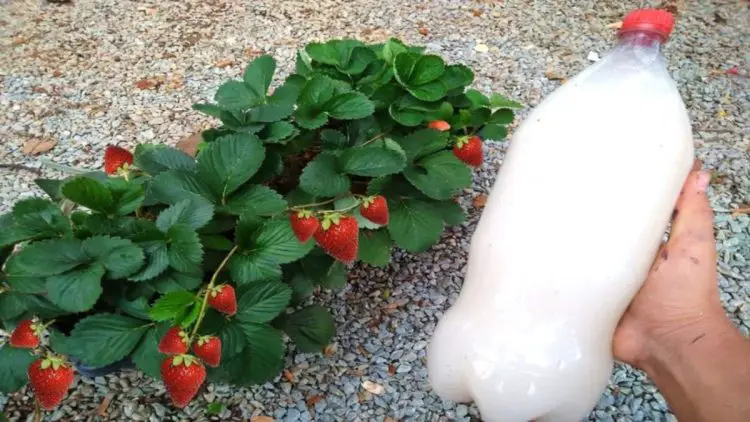
Milk is not just a nutritious food; it can also serve as a natural organic fertilizer in your garden. Packed with essential vitamins and minerals, milk can help your plants thrive. Here’s how to use it effectively!
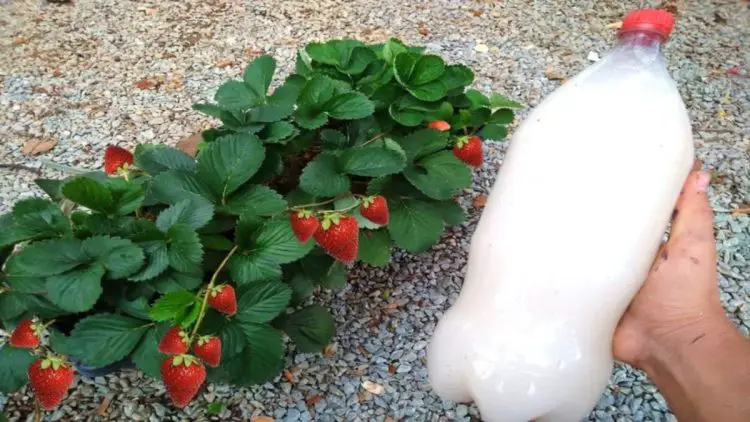
1. Use Milk for Its Calcium Content
Thanks to its high calcium levels, milk is particularly beneficial for plants that are prone to rot, such as zucchini, tomatoes, and peppers. It’s best to use cold whole milk for maximum nutrition. To create a fertilizer, mix equal parts of milk and water in a bottle. After mixing, pierce the bottle cap and use it to water your plants. Experts also suggest that milk can act as an excellent foliar fertilizer, promoting larger leaves and bigger fruits.
2. Water Plants with Milk
In addition to its fertilizing properties, milk can also serve as a pesticide. It is effective against mites, aphids, and other small pests. Studies indicate that these insects struggle to digest the high sugar content in milk, leading to their elimination. For best results, use whole milk diluted 50% with water.
3. Combat Plant Fungi
If your plants are drying out or losing their vigor, milk might come to the rescue. Prepare a diluted milk spray and apply it to the leaves. This can help prevent the growth of fungus and mold. Additionally, milk can enhance the absorption of other natural pesticides when used as an additive.
4. Maintain Gardening Tools
Your gardening tools also need care! Instead of using harsh chemicals for disinfection, consider soaking your pruning shears or other tools in milk. This method not only prevents rust but also provides natural disinfection.
Warnings About Using Milk in the Garden
While milk can be a fantastic natural remedy, it’s important to use it sparingly. Overuse can lead to poor plant growth and unpleasant odors. Always consult a knowledgeable source if you’re unsure about the specific needs of your plants.
By incorporating milk into your gardening routine, you can promote healthier plants and maintain your tools without harmful chemicals!