Sunburn isn’t just a human concern; plants can suffer from it too. Here’s how to recognize and treat sunburn in plants, along with effective prevention strategies.
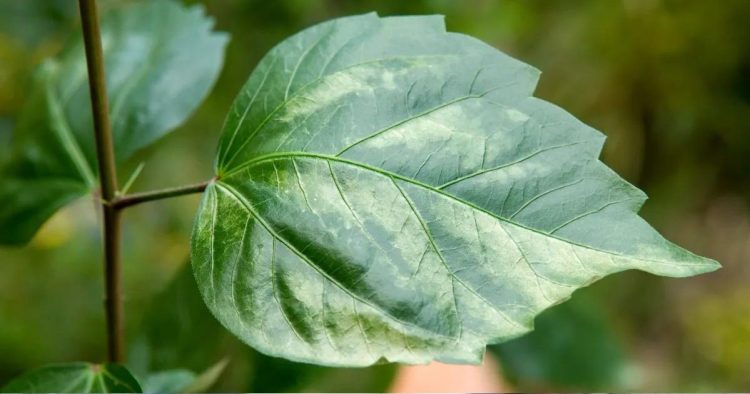
Recognizing Sunburn in Plants
Sunburn can affect nearly any plant, though some are more vulnerable than others. Seedlings and young plants are particularly at risk, especially those exposed to sunlight for the first time, such as young tomato or cucumber plants. Plants recently moved outdoors from a sheltered environment are also prone to sunburn, as the intense sun can strip moisture from their leaves, leading to dryness and discoloration.
Signs of Sunburn:
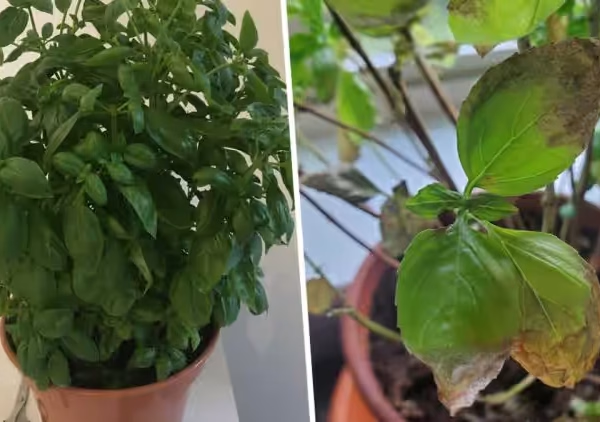
- Brown spots on leaves
- Wilted or dried-out leaves
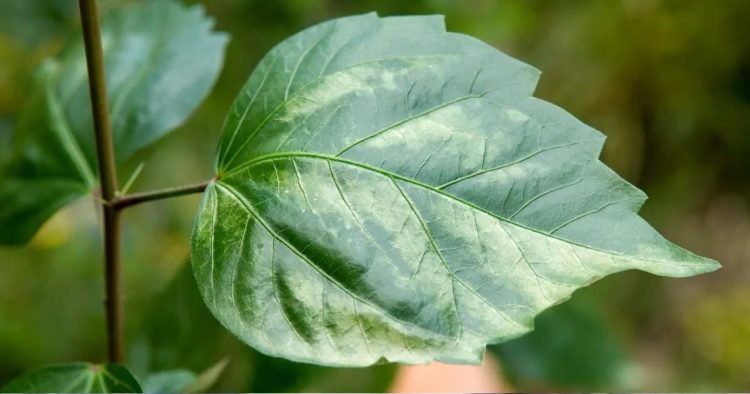
- Silvery sheen on leaf surfaces
- Cracked bark
Both houseplants, garden plants, and lawns can experience sunburn.
3 Tips for Treating Sunburn in Plants
To mitigate sunburn damage and promote recovery, follow these three essential steps:
- Provide Shade for Your Plant
- Move the Plant: Relocate the affected plant to a shaded area to prevent further sun damage.
- Shade Solutions: For larger plants or bedding plants that can’t be moved, use a parasol or shade sail to offer protection.
- Water Generously
- Base Watering: Water your plant at the base rather than from above. Watering from above can exacerbate sunburn when the wet leaves are exposed to the sun.
- Timing: Water early in the morning or late in the evening to minimize evaporation and ensure the plant absorbs maximum moisture.
- Remove Dried Leaves
- Prune Carefully: Use sharp scissors to cut away brown and dried leaves. This helps the plant focus its energy on producing new, healthy growth without the burden of damaged foliage.
Note: If the plant is severely sunburned, it may not fully recover. Gradual acclimatization to heat is crucial to prevent further damage.
Preventing Sunburn in Plants
Proper acclimatization and care can help prevent sunburn:
- Gradual Exposure: Start by placing plants in a shady spot or using a parasol. Gradually increase their exposure to direct sunlight over several weeks, avoiding the peak hours of sun. This process helps plants develop protective pigments.
- Water Regularly: Consistent watering helps keep plants hydrated and resilient against sun damage.
- Choose the Right Container: Select appropriate pots. Terracotta pots offer better insulation and are less affected by the sun, while plastic pots can heat up quickly, transferring excess heat to the roots and causing additional moisture loss.
- Protect Trees: Apply a lime wash to tree trunks to prevent sunburn and cracks caused by high temperatures and pests.
By understanding and implementing these tips, you can help your plants avoid sunburn and thrive under the sun’s intense rays. Keep an eye on your plants and adjust their care as needed to maintain their health and vitality.