Spring may seem like a glimmer of hope on the horizon, but it’s still a bit far off! So, I had to be a bit cunning to figure out how to protect the plants on my balcony during these still chilly days.
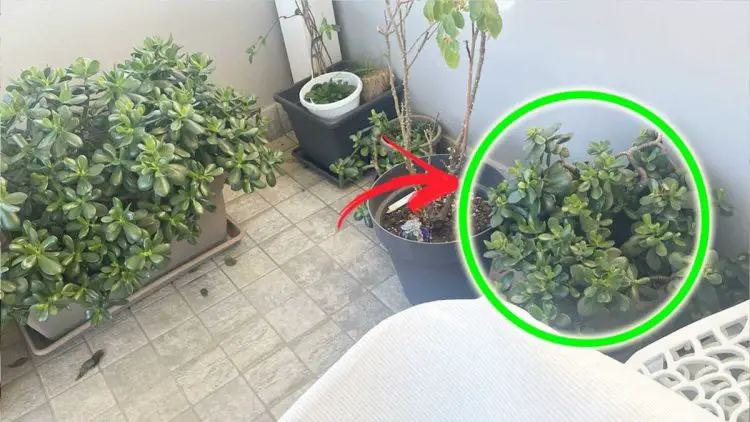
I don’t think I have a green thumb, but with some online research and advice from a knowledgeable nurseryman, I realized that a few simple steps are enough to protect plants from low temperatures.
In short, I’ll share my remedies and experiences with balcony plants during this freezing winter!
Protective Covers
Initially, I noticed that the leaves of some plants, exposed to night frost, began to turn yellow and then dry out. Of course, a lot depends on the species and varieties, but in general, few plants can tolerate really low temperatures.
To try to protect my geraniums, for example, I bought protective covers, also known as frost tarps. These are non-woven, lightweight, and practical to use. They must be carefully placed over the foliage of the plant to shield it not only from the cold but also from bad weather.
Although these covers are breathable, I found that they should be removed when temperatures are no longer so low to allow the plant to breathe and photosynthesize properly. Even though they are often semi-transparent, these covers can partially block the sun’s rays.
In addition to protective covers, you can use mini greenhouses, other types of tarps, or other methods to protect plants from the cold.
Mulching
Before trying the protective covers, I used another method suggested by my nurseryman: mulching.
You may have heard this term related to agriculture, but it’s also applicable to balcony plants. Essentially, mulching involves creating a layer of organic material on the soil to maintain a constant base temperature and protect against frosts.
In my case, I mulched the soil using bark, gravel, and straw. Initially, it looked a bit messy, but with a bit of practice, I learned that mulching is a quick and effective method.
The only drawback is that mulching ideally should be done in the fall to protect the plant through the colder months.
Moving
Despite using protective coverings or mulching, some plants simply cannot stay outdoors.
These are usually indoor plants that we put on the balcony in spring and summer to take advantage of the warmer temperatures and more abundant light, but should be brought indoors as temperatures drop in autumn.
So, if you have brought out plants like spathiphyllum or anthurium, you need to bring them inside before the temperatures drop too much, to prevent them from drying out due to the cold.
Even in these cases, you need to act promptly, bringing the plants indoors as soon as the temperatures start to fall.