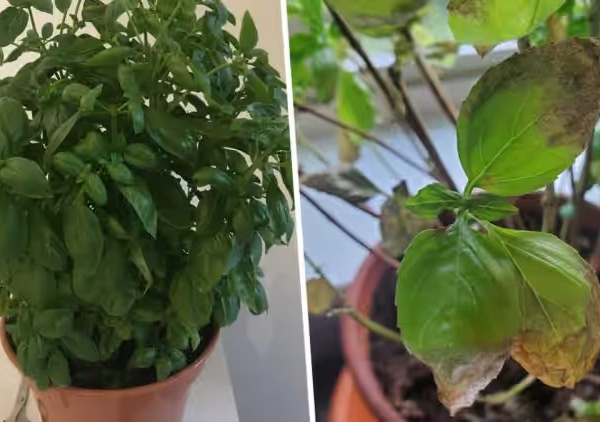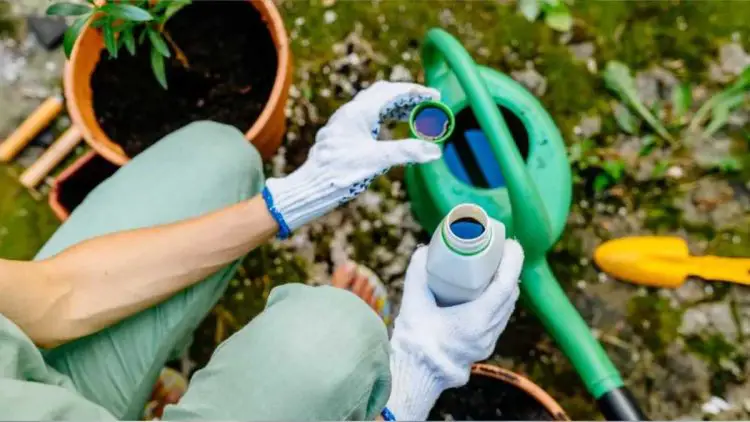
During the summer months, your garden may need extra support to handle the intense sunlight. Surprisingly, urine as a fertilizer can provide this essential help. Recent studies and innovative startups have revealed that human urine can be an eco-friendly and effective fertilizer for plants. While unconventional, this method can lead to lush growth and vibrant flowers. Here’s how to harness this resource for your garden.
Is Urine as Fertilizer Really Effective?
Absolutely! Using urine as a fertilizer is a sustainable way to enhance your garden. In an era focused on environmental preservation, urine offers a surprisingly valuable resource for gardeners. Before you flush the toilet next time, consider the benefits for your plants. Let’s explore this green thumb technique together.
Studies on Urine’s Impact on Plant Growth
Numerous studies have confirmed that urine positively impacts plant growth. Recent research by the IGZ indicates that human urine fertilizers are as effective as traditional organic fertilizers. Urine can even boost plant productivity and increase yields for certain species. Here are seven plants that particularly benefit from urine fertilizer:
- Roses: Enrich the soil and promote beautiful blooms.
- Corn: Improve growth and yield with urine application.
- Tomatoes: Increase fruit production with the nitrogen in urine.
- Cucumbers: Achieve better yields from the nutrients in urine.
- Zucchini: Benefit from urine fertilization like other cucurbits.
- Cabbages and Leafy Greens: Enhance leaf production and harvest size.
- Potatoes: Show improved results with urine application.
Using Urine on Your Lawn
Applying urine to your lawn can promote faster growth and greener appearance. Urine is rich in nitrogen, a crucial nutrient for plants. However, use it cautiously:
- Dilute the urine with water to avoid burning the lawn. A typical ratio is 10 parts water to 1 part urine.
- Be aware of salt content and other waste products that may harm plants in large quantities.
- Integrate urine into a broader fertilizer plan rather than using it as the sole nutrient source.
Fertilizer from Portable Toilets
French startup Toopi Organics has developed a biostimulant from human urine. This product uses urine as a nutrient medium for the bacterium Lactobacillus paracasei, which helps plants utilize soil phosphorus and stimulates root formation. The process involves collecting urine from waterless urinals in public spaces, filtering it, and using it in bioreactors to produce bacteria. This method is both ecologically beneficial and conserves water.
How to Use Urine as Fertilizer for Plants
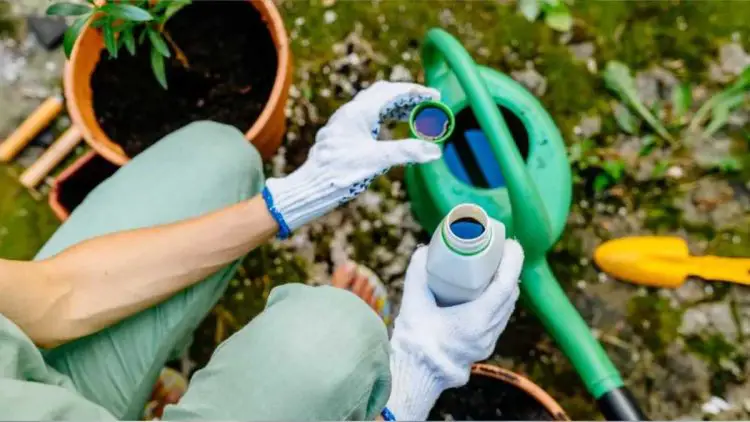
Urine is mostly water but also contains essential nutrients such as nitrogen, phosphorus, and potassium. These nutrients promote leaf growth, root development, and flowering. Here’s how to use it effectively:
- Choosing Location and Plant: Select areas away from water sources and edible plants. Use urine on hardy plants that are not for consumption.
- Frequency and Dosage: Balance is key. Dilute urine before application to prevent excess salts. A common ratio is 10 parts water to 1 part urine. Avoid using it just before harvest to ensure hygiene.
- Safety and Hygiene: Follow basic safety rules. Wash your hands after handling urine and keep it away from others to avoid contamination.
Embrace this unconventional yet effective gardening technique and watch your plants flourish with a little help from your urine!