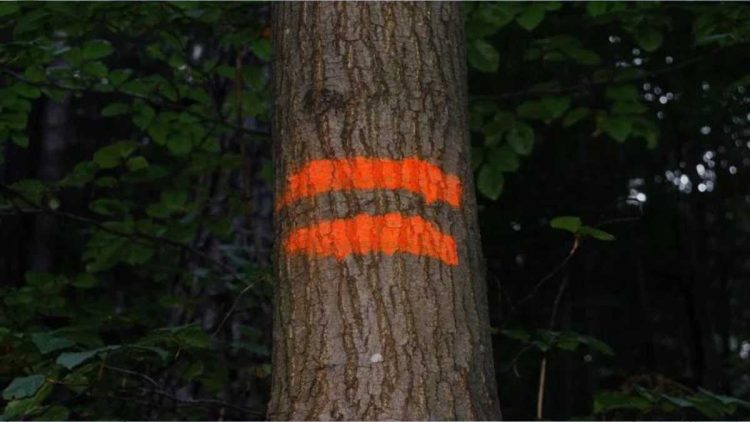
Entering a forest can be an intriguing experience, especially when encountering a tree painted orange. For many, this sight raises questions about its significance. Understanding the meaning behind these colors can turn an overwhelming forest into a valuable guide.
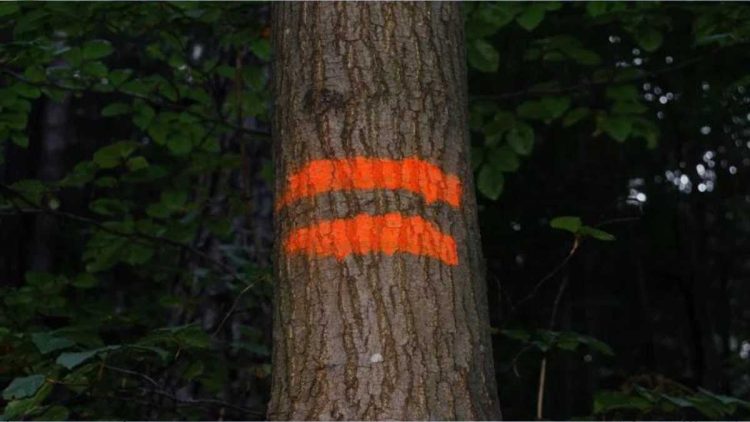
A single horizontal orange line or dot, often found at the base of a tree, typically indicates that the tree is marked for cutting or is scheduled for harvest. This marking is part of a sustainable forestry practice, where selected trees are harvested to maintain a healthy forest ecosystem. In some cases, orange (or pink) markings may serve as a warning to leave the tree alone. According to Hunters Land Management, two horizontal orange (or red) lines can signify the boundary of a harvest area, making these markings crucial for foresters, loggers, and landowners. However, it’s important to note that in regions like Butte County, California, two parallel orange lines with a dot indicate that the tree is dying or dead.
Understanding the Diversity of Tree Markings
You may encounter various colors on trees, each conveying a specific message. For example, blue markings may guide hikers along designated trails or indicate trees to be cut down. A horizontal blue line or dot can suggest that the tree should be preserved. Red markings often denote property boundaries, signaling that you might be trespassing.
There is no universal standard for these markings; different agencies and landowners create their own codes tailored to their practices. This variability reflects the adaptability of marking systems to the unique needs of different regions.
Urban and Suburban Markings
Tree markings aren’t limited to forests; you may also find them in urban settings. In cities, colored dots or stripes can indicate trees needing pruning, those of historical significance, or trees scheduled for removal.
Importance of Tree Marking Systems
The evolution of these marking systems stems from the need for effective forest management. Landowners, logging companies, and agencies like the Forest Service rely on these markings to ensure sustainable practices. They facilitate communication between stakeholders, enabling smooth operations in harvest, conservation, and recreational activities.
For landowners, these markings help manage property, guide selective harvesting, and promote forest health. Timber company workers depend on these codes to operate efficiently while minimizing environmental impact. The U.S. Forest Service uses them to balance conservation and resource use, ensuring resilient and productive forests.
In essence, the colored markings on trees represent a collaborative effort to maintain the delicate balance between humans and nature. Understanding this coded language transforms a seemingly confusing forest into a harmonious tapestry of sustainable coexistence.


