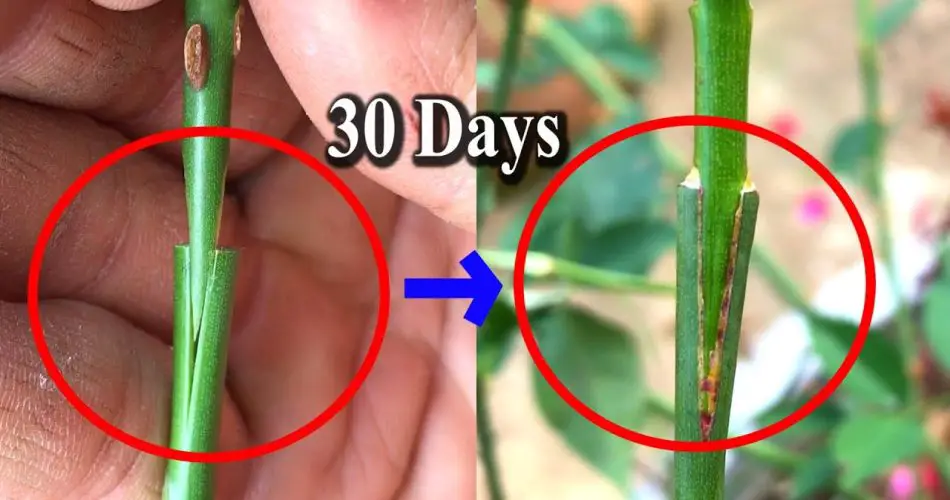
“Crafting Beauty: A Step-by-Step Guide to Grafting Roses with Proven Tips for Flower Enthusiasts”
Grafting roses is a time-honored horticultural technique that allows enthusiasts to combine the desirable traits of different rose varieties, creating unique and beautiful blooms. In this article, we delve into the art of grafting roses, providing detailed instructions and valuable tips for those eager to embark on this rewarding journey of floral craftsmanship.
Understanding Grafting:
- Grafting Basics: Grafting involves joining a scion (a cutting with desired traits) from one rose plant onto the rootstock (the base or root system) of another. This technique allows the combination of specific characteristics, such as color, fragrance, or disease resistance.
- Choosing Compatible Varieties: Select rose varieties that are compatible for grafting. Compatibility ensures a successful union between the scion and rootstock, promoting healthy growth and vibrant blooms.
Step-by-Step Guide to Grafting Roses:
Materials Needed:
- Healthy rose scion (cutting with desired traits)
- Vigorous rose rootstock (base or root system)
- Sharp grafting knife or pruning shears
- Grafting tape or rubber bands
- Grafting wax or sealing compound
Steps:
- Selecting Scion and Rootstock: Choose a healthy and disease-free scion cutting from the desired rose variety. Similarly, select a vigorous rootstock with a strong and established root system.
- Making the Cut: Use a sharp grafting knife or pruning shears to make a clean, diagonal cut on both the scion and the rootstock. The cuts should match as closely as possible for a snug fit during grafting.
- Creating the Union: Join the scion and rootstock by making a T-shaped cut on the scion’s base and a corresponding incision on the rootstock. Insert the scion into the rootstock, ensuring a secure and tight fit.
- Securing with Grafting Tape: Wrap the grafted area with grafting tape or rubber bands. This helps secure the scion to the rootstock, maintaining proper alignment during the healing process.
- Applying Grafting Wax: Seal the grafted area with grafting wax or a specialized sealing compound. This protects the union from infections and aids in preventing desiccation.
- Providing Ideal Conditions: Place the grafted rose in a protected environment with filtered sunlight. Ensure consistent moisture and avoid exposing the graft to extreme weather conditions during the initial healing period.
Tips for Successful Rose Grafting:
- Timing Matters: Choose the right time for grafting, typically during the dormant season or early spring. This allows the grafted rose to focus on healing and establishing roots before the active growing season.
- Healthy Plants, Healthy Grafts: Select only healthy and disease-free scions and rootstocks for grafting. Healthy plants increase the likelihood of a successful graft and promote the overall well-being of the new rose.
- Precision in Cutting: Use sharp tools for clean and precise cuts. Precision in cutting ensures a snug fit between the scion and rootstock, promoting a successful graft.
- Patience and Observation: Grafting roses requires patience. Monitor the grafted plant regularly for signs of new growth and ensure that the graft union remains intact.
- Protecting from Pests: Safeguard the grafted rose from pests that could potentially harm the tender graft. Consider using protective covers or organic pest control methods to keep pests at bay.
Grafting roses is a delightful and skillful practice that allows gardeners to create unique combinations of their favorite rose varieties. By following these detailed instructions and incorporating valuable tips, flower enthusiasts can embark on a journey of crafting beauty in their gardens. The art of rose grafting not only adds diversity to your rose collection but also showcases the endless possibilities that arise when nature’s blooms are skillfully combined and cultivated with care.


