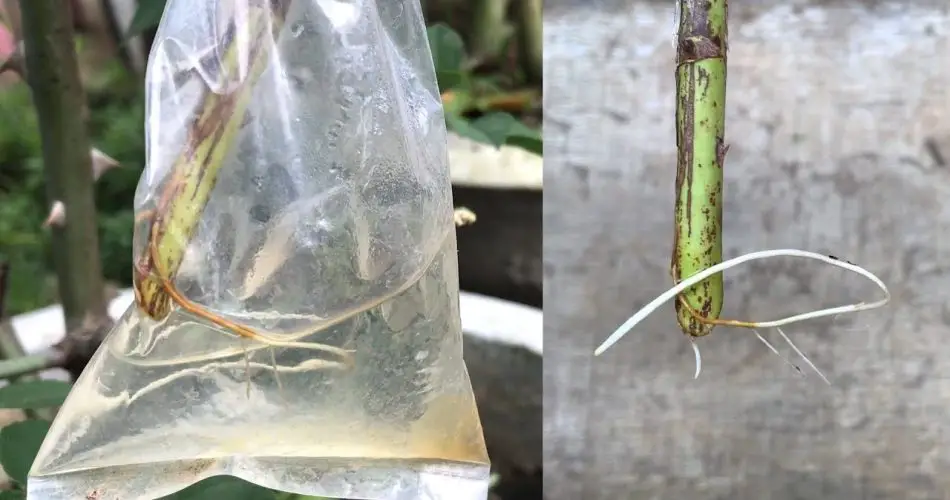
“Blooms from H2O: Successfully Propagating Roses with Filtered Water”
The world of gardening often involves experimenting with different techniques to propagate plants, and roses, with their timeless beauty, are no exception. A surprising and successful method gaining attention is propagating roses using filtered water. In this article, we explore this unconventional approach, unveiling the magic that filtered water can bring to the propagation process, allowing rose enthusiasts to multiply their cherished blooms with ease.
The Filtered Water Advantage:
- Eliminating Contaminants: Filtered water serves as a clean and contaminant-free medium for propagating roses. The absence of impurities and chemicals commonly found in tap water provides an optimal environment for root development.
- Balanced pH Levels: Roses, like many plants, prefer a slightly acidic to neutral pH range for healthy growth. Filtered water tends to have more balanced pH levels, creating an environment that is conducive to successful propagation.
Steps for Propagating Roses with Filtered Water:
- Selecting Healthy Rose Cuttings: Choose healthy rose cuttings for propagation. Select stems with at least two nodes (where leaves attach to the stem) and remove any flowers or buds.
- Trimming and Preparing Cuttings: Trim the selected rose cuttings just below a node using clean, sharp pruning shears. Remove any leaves from the lower part of the stem, leaving only a couple at the top.
- Preparing Filtered Water: Fill a container with filtered water, ensuring that it is deep enough to submerge the lower portion of the rose cuttings. Allow the filtered water to sit for a short while to reach room temperature.
- Placing Rose Cuttings in Water: Submerge the trimmed end of each rose cutting into the filtered water. Ensure that at least one node is submerged, as this is where the roots will emerge.
- Changing Water Regularly: Change the filtered water every few days to maintain cleanliness and provide the cuttings with fresh nutrients. This helps prevent the growth of algae or bacteria that could hinder root development.
Monitoring and Transplanting:
- Root Development Observation: Keep a close eye on the submerged nodes for signs of root development. Small white roots emerging from the nodes indicate successful propagation.
- Transplanting to Soil: Once the roots reach a sufficient length (usually a few inches), transplant the rose cuttings into well-draining soil. Use a rooting hormone to encourage robust root growth during the transplanting process.
Benefits of Filtered Water Propagation:
- Increased Success Rates: Filtered water provides a conducive environment for root development, leading to increased success rates in propagating roses. The absence of contaminants supports healthy growth from the early stages.
- Clean and Nourishing Environment: Roses propagated in filtered water start their journey in a clean and nourishing environment. This sets the stage for strong and vigorous growth as the cuttings transition to soil.
The success of propagating roses with filtered water unveils the potential benefits of this unconventional method. Rose enthusiasts can now explore a cleaner and more controlled environment for rooting their cherished blooms, ushering in a new era of rose propagation. By embracing the simplicity of filtered water, gardeners can witness the beauty of new rose plants emerging from their carefully nurtured cuttings, adding to the timeless allure of these classic and beloved flowers.


