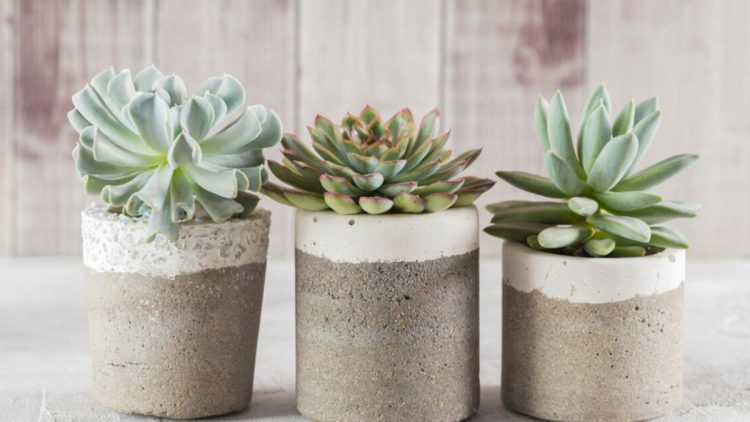
Caring for your succulent plants requires attention to their unique needs. Here’s a comprehensive guide to help you keep your succulents healthy and thriving.
Respect the Growth Rhythm of Succulents
Most succulents grow actively from spring to autumn and rest in winter. While they can tolerate warmer temperatures, they prefer slightly cooler conditions, ideally between 10 and 15 degrees Celsius. During summer, it’s beneficial to place them on a balcony or terrace. Bring them indoors only when daytime temperatures consistently drop below 15 degrees.
Planting Succulents
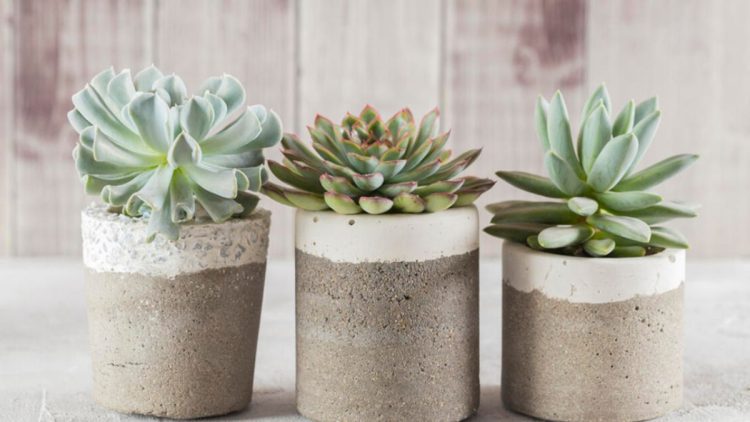
Succulents thrive even in small pots, making them versatile decorative plants. They can often be seen growing in creative containers like old shoes. The best substrate is a permeable cactus soil or a soil mixed with sand. Ensure that water drains well, as stagnant moisture is detrimental to succulents. Adding pebbles or a drainage layer of expanded clay at the bottom of the pot is crucial.
Watering Succulents: Key Points
Succulents are adept at retaining water but do not tolerate stagnant water. Use a highly permeable substrate, such as cactus potting soil. Water thoroughly, then discard any excess water after ten minutes. During winter, reduce care: provide less water, avoid fertilizing, and ensure the air remains relatively dry, as succulents do not thrive in high humidity.
How Often Should You Water Succulents?
Allow the soil to dry out almost completely between waterings, which can take one to two weeks depending on various factors like temperature and season. Avoid stagnant water, as it can quickly lead to root rot.
Should You Fertilize Succulents?
Succulents thrive on minimal care and nutrients. During the growing season, it’s beneficial to fertilize using a specialized succulent fertilizer, as regular flower fertilizers may contain too many nutrients and weaken the plants.
Hardy Succulents for Outdoors
Some succulents are winter-hardy and low-maintenance, such as indoor buttercup, maidenhair fern, and saxifrage. These can thrive in gardens, shallow pots, rockeries, and even wall cracks, provided water can drain freely. They are excellent choices for green roofs. Larger specimens will need more root space, and saxifrage is suitable for less sunny areas.
Repotting Succulents: Instructions and Tips
When Should You Repot Succulents?
Repot your succulents every one to five years, depending on their growth rate. Repot when they outgrow their pots or if you want to ensure they are in a high-quality substrate. Spring is the best time to repot, while summer and winter are not ideal due to the plant’s stress phases.
Supplies Needed for Repotting
- Expanded clay (for drainage)
- Cactus potting soil or specialized soil for succulents
- A larger pot and saucer
- Thorn-resistant gardening gloves
Step-by-Step Repotting Instructions
- Fill the saucer about a quarter full with expanded clay.
- Add a small amount of soil to maintain the initial planting depth.
- Gently remove the succulent from its old pot, brushing off any loose soil without disturbing the roots too much.
- Place the succulent upright and centered in the new pot, filling in with soil around it and tamping down lightly.
- Caution: Repotting can stress the plant, so keep it in partial shade for a week and only water it again after about seven days.
Propagating Succulents: Methods
Succulents are easy to propagate. You can:
- Place a rosette of leaves in sandy soil.
- Use cuttings (also known as Kindel).
- Propagate by cutting leaves, allowing them to dry for two to three days before planting them in soil to root.
With these tips, you can ensure your succulents remain healthy and vibrant, adding beauty to your space!


